













What Is Active Mobility?

Active mobility refers to all non-motorized modes of transport powered by human energy, such as walking, cycling, scooters, rollerblading and other personal mobility devices.
Today, active mobility lies at the heart of ecological transition policies, public health strategies and the transformation of urban spaces.
By reducing dependence on cars, active mobility helps streamline daily travel and improve quality of life in city centers.
Your Challenges: Why Develop Active Mobility?
Local authorities and public space managers face new challenges related to everyday travel patterns.
Our Solutions for Developing Active Mobility
Colas supports local authorities in the design and construction of infrastructure that promotes walking and cycling, taking into account user needs, traffic flows and urban constraints.
Cycling Infrastructure and Pedestrian Continuity
Colas delivers:
- one-way and two-way cycling lanes,
- greenways,
- pedestrian zones,
- safe and continuous links between neighborhoods,
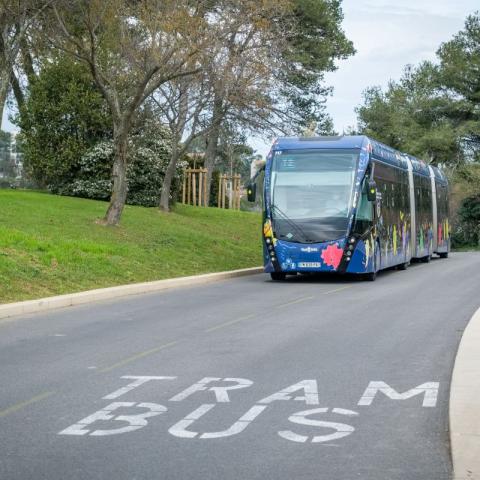
- intermodal connections (BRT, tramways, railway stations).
These developments structure coherent active mobility networks.
Safe and Attractive Urban Design
To encourage walking and cycling, safety is essential:
- optimized lighting,
- enhanced signage,
- clear separation of traffic flows,
- traffic-calmed intersections,
- 30 km/h zones and pedestrian-priority areas.
Colas designs readable, comfortable and welcoming public spaces.
Surfaces and Pavements Adapted to Active Uses
Pavement solutions play a key role in comfort and safety:
- anti-slip surfaces,
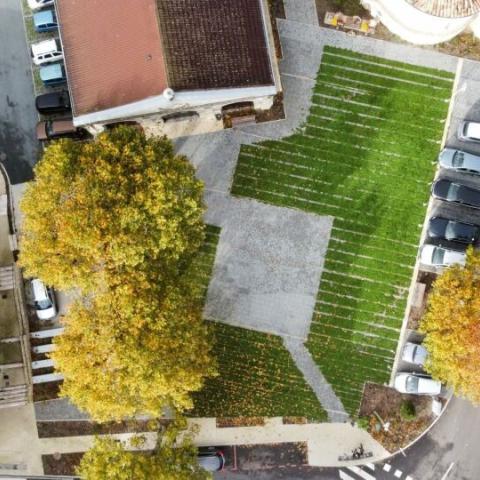
- permeable materials,
- flexible surfaces for pedestrian areas,
- aesthetic finishes that enhance route attractiveness.
These materials improve both the durability of infrastructure and the user experience.
FAQ
Frequently Asked Questions About Active MobilityWalking, cycling, non-motorized scooters, rollerblading, skateboarding—any mode powered by human energy.
To reduce pollution, improve public health, ease congestion and enhance the attractiveness of public spaces.
Discontinuous routes, interaction with motorized traffic, safety concerns, lack of adapted infrastructure and insufficient bicycle parking.
By designing coherent cycling networks, secure pedestrian routes, user-adapted pavement solutions and integrating biodiversity and permeability into urban projects.
Yes. Active mobility complements public transport by improving access to railway stations, BRT and tramway stops, and strengthening intermodality.